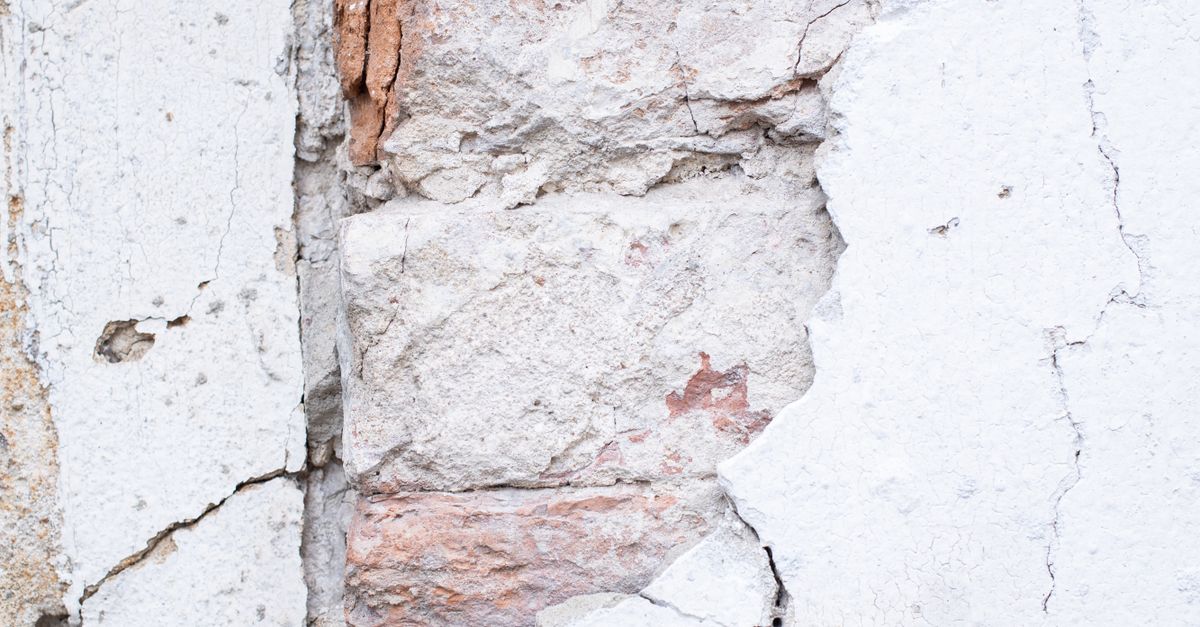
Tri-County Painters inspects cracked stucco before recommending exterior painting for single-family homes in Palm Beach and Broward Counties. We identify preparation needs, include eligible stucco repairs and appropriate sealing in a written, surface-specific scope, and prepare the walls before applying the selected coating. The starting point is a Free Exterior Inspection, not an assumption that another coat will hide the problem.
We are an Authorized TEX-COTE® Dealer and offer traditional exterior house painting as well as TEX-COTE® COOLWALL® for approved exterior walls. The right choice depends on the condition of the stucco, its existing coating and the homeowner’s goals. If an inspection points to a leak, structural concern or repair outside painting preparation, that issue needs the appropriate specialist before coating proceeds.
What does it mean to prepare cracked stucco before painting?
Stucco preparation is the work needed to make an eligible wall surface ready for its specified coating. It can include cleaning, removing loose paint, addressing suitable cracks or surface defects, sealing appropriate gaps and joints, and using a compatible primer where required. It is not a blanket promise to fill every visible line or to solve the cause of recurring damage.
That distinction matters on a South Florida home. A crack in otherwise sound stucco calls for a different assessment than a crack surrounded by loose material, peeling paint or persistent dampness. Likewise, a gap at a joint is not the same condition as a defect in the stucco field. We look at the surrounding surface before deciding what preparation belongs in the painting scope.
A finished wall can look uniform from the street while defects remain beneath its coating. The useful question is not simply, “Will you paint the cracks?” It is, “Which defects will you inspect and address before coating, and how will that work appear in writing?” Our stucco and masonry preparation service centers on that condition-based review.
What we look for during the exterior inspection
An inspection starts with the wall as it exists, including previous paint and repair work. We review cracks, stains, chalking, biological growth, coating failure and access. We also consider conditions that can affect a proposed coating plan, such as moisture concerns and areas where earlier patches meet the original texture.
- Cracks and surrounding stucco: Where are the defects, and does the adjacent surface appear sound enough for painting preparation?
- Existing coatings: Are there loose or peeling areas that must be removed? Is chalking present? A new coating needs a suitable prepared surface beneath it.
- Earlier repairs: Are patches visible, uneven or showing renewed distress? Their condition affects the preparation plan and finished appearance.
- Stains and growth: Do shaded or frequently damp areas need treatment or further assessment before they are covered?
- Joints and gaps: Are there appropriate locations for sealant, and are there drainage or ventilation paths that must remain open?
- Access and protection: Can we reach side and rear elevations? What landscaping, fixtures and windows need protection?
Tell us if a crack has reappeared after a previous repair or if the same wall repeatedly becomes damp. Those observations help distinguish a straightforward surface-preparation discussion from one that needs a closer look at the source of the damage. If you have photos showing the wall after rain or an earlier repaint, bring them to the inspection.
The Free Exterior Inspection also reviews existing coatings, homeowner goals and product eligibility. The result is a recommendation for a written scope, so you can see which surfaces and preparation tasks are included rather than trying to infer them from a general description of exterior painting.
How stucco inspection leads to a coating-ready wall
Our exterior painting process uses ten preparation checkpoints, adapted to the home and the selected system. It is a useful way to understand the order of decisions. Not every wall needs identical work, but repairs and sealing should be considered before the finish coating is approved for application.
1. Inspect the condition, not just the color
We review coatings, cracks, stains, chalking, biological growth and access. The goal is to identify where the proposed repaint may need more than routine cleaning. A bright new color cannot make unsound material stable, and a coating choice should follow the surface assessment rather than precede it.
2. Agree on surfaces, colors and the written scope
The scope should identify the areas to be coated, the proposed system and the preparation to be performed. Colors and any applicable HOA or architectural approvals also belong in the planning stage. If you are considering COOLWALL, wall eligibility and available color options need to be assessed before the scope is finalized.
3. Plan protection and access
Landscaping, fixtures, windows and other nearby surfaces need a protection plan. We also discuss gates, screens and access to side or rear walls. A repair area that cannot be reached as planned should not be left to an assumption in the estimate.
4. Clean using a method suited to the surface
Cleaning prepares the wall for the work that follows. The method must fit the stucco and the existing coating condition, as well as the application requirements of the selected system. Cleaning does not replace removal of failing paint or repair of a damaged area.
5. Remove loose or failing coatings
Painting over loose material leaves the new finish dependent on material that is already failing. We identify areas needing removal and prepare a sound surface before considering primers or finish coats. This step also makes it easier to assess what lies at the edge of a cracked or previously patched area.
6. Address eligible stucco or masonry defects
Suitable cracks and surface defects are documented and addressed as part of the approved preparation scope. The method depends on the condition found, the surrounding material and the selected coating system. If the issue calls for work beyond painting preparation, we distinguish that work rather than treating every crack as a routine patch.
7. Evaluate growth and moisture conditions
Biological growth and relevant moisture concerns need attention before they are coated over. A recurring wet area deserves particular care: a coating is not a substitute for finding and correcting a source of water entry. Where another repair is needed, it should be resolved through an appropriate scope before the wall is finished.
8. Seal appropriate gaps and joints
Sealing is location-specific. Appropriate openings may need a compatible sealant, but drainage and ventilation paths must not be blocked. Ask which joints are included, especially if you have noticed gaps around an area of concern. “Seal the house” is too broad to explain what will actually be done.
9. Prime where required
Repaired, exposed or otherwise prepared areas may require compatible primer under the chosen system. The need for priming is established from the surface and coating plan, not assumed to be identical across every wall. It should be clear in the written scope where required priming fits into the work.
10. Review preparation before coating
Before application, we review protection, repairs, primers, colors and application conditions. This checkpoint keeps the discussion focused on whether the agreed preparation is complete. Only then does applying the finish make sense. Our exterior house painting service follows this inspection-to-preparation-to-application approach, with a final walkthrough after the work.
Which cracks belong in a painting scope?
The answer comes from the property inspection, not a label such as “hairline” alone. A visible line may be a suitable surface defect to address during stucco preparation. Another may be associated with continued movement, detached material or moisture. Size and appearance can be useful clues, but the surrounding condition and history also matter.
For homeowners, the most practical distinction is between eligible surface preparation and a separate underlying repair. Cleaning, suitable stucco or masonry repairs, sealing and required priming may fit within an exterior coating scope. An active leak, structural concern or another condition outside painting preparation calls for the appropriate specialist. Covering that condition with paint would not correct it.
Previous patchwork needs its own look. A patched area may have a different texture or may meet an older coating that is no longer sound. Matching a paint color does not, by itself, resolve uneven repairs or poor adhesion. If the appearance of a repaired area is important to you, point it out during the walkthrough and ask how it will be handled in the written plan.
It also helps to separate stucco cracks from joints and gaps. The preparation for a defect in the wall surface is not necessarily the same as sealing an appropriate joint. Ask the contractor to identify both types of work rather than grouping every opening under a single “caulking” line. The aim is a scope that reflects the actual wall, without blocking places intended for drainage or ventilation.

Choosing the coating after stucco preparation
Repair and sealing decisions come before a finish-system recommendation. We offer two exterior wall approaches, and neither should be selected as a way to avoid necessary preparation.
Traditional exterior house painting
A traditional repaint may suit a home whose walls can be prepared for a conventional exterior coating. The written scope should still explain surface cleaning, failing-coating removal, eligible stucco repairs, appropriate sealing and any required primer. When comparing proposals, do not let a finish-coat description stand in for a preparation plan.
TEX-COTE® COOLWALL® for approved exterior walls
COOLWALL is a heat-reflective wall coating system designed to reflect solar infrared energy. It is not simply standard paint, and it applies to approved exterior wall surfaces. Inspection determines eligibility and the needed cleaning, repairs, primers, coating steps and color options. Homeowners should also confirm any HOA color requirements before finalizing their choice.
Reflective properties do not eliminate the need to prepare cracked stucco. Nor should anyone choose a wall system on the basis of a promised cooling-cost or indoor-temperature result. A home’s construction, insulation, windows, exposure, roof, HVAC conditions and color all affect outcomes. For a closer look at how wall preparation fits this system, read how COOLWALL is applied to a stucco home.
REFLECT-TEC® is a separate roof-coating system, not a treatment for cracked exterior walls. It may be considered after inspection for eligible concrete or clay tile and sloped metal residential roofs. It is not for asphalt shingles. A roof request needs its own eligibility review and repair considerations; a wall-coating recommendation does not establish that a roof qualifies.
How to compare written estimates for cracked stucco
An exterior painting estimate is easier to assess when it describes the work before the finish coat. Two proposals can name a similar color and still differ substantially in how they address failing coatings, cracked stucco, gaps and primer needs. Use the following questions to bring those differences into view:
- What surfaces are included? Confirm each elevation and identify trim or other features separately. Ask what is excluded.
- What did the inspection find? Have cracks, loose coatings, earlier patches, stains and moisture concerns been discussed rather than folded into a general repaint line?
- Which repairs are included? Ask how eligible stucco or masonry defects will be handled and which conditions require a specialist or a separate scope.
- Where will sealant be used? Ask about appropriate gaps and joints, and confirm drainage and ventilation paths will remain open.
- What cleaning and removal are planned? A sound surface matters before any primer or new coating is applied.
- What primer and coating system are specified? Ask how the materials fit the wall condition and whether product eligibility has been assessed.
- What must happen before work begins? Confirm access, protection, selected colors and any applicable HOA, architectural or local review.
Do not assume a neighbor’s approved color or repair plan applies to your property. Communities in Palm Beach and Broward Counties may have different association requirements, and even a mailing address may not tell you which municipality governs a particular home. Bring your association’s current color instructions or architectural documents to the inspection when you have them. That helps connect the finish choice to the approvals that apply to your address.
If you are weighing a traditional repaint against a wall coating, request a clear description of the preparation and product steps for the approach being proposed. It is easier to make a decision when the estimate tells you what will happen to existing cracks and coatings, not just what the wall should look like when the work is finished.
Review the project scope and warranty separately
The signed, project-specific scope should identify the surfaces, preparation, coating system and exclusions. Review it alongside the actual written warranty for your project. A general product description or a sample warranty does not tell you what applies to your home.
Manufacturer materials terms and contractor workmanship terms address different responsibilities. Ask for each applicable document and read its conditions, exclusions, claim process and coverage details. Manufacturer materials coverage does not automatically include labor to replace a coating. Make sure any discussion of repairs, primers and application is consistent with the written scope rather than relying on a broad verbal assurance.
This is especially important when comparing coating systems. A warranty does not determine whether existing stucco is sound, whether a leak has been corrected or whether a particular crack repair belongs in the job. Those decisions need to be addressed before application. Our guide to exterior painting warranty and workmanship terms explains which documents to review.
A practical way to get ready for an inspection
You do not need to diagnose a crack yourself. A few notes can make the inspection more useful:
- Walk around the home and note which walls have cracks, peeling or stains. Include side and rear elevations that are easy to overlook.
- Share whether a defect has returned after patching or repainting, or whether an area stays damp after other walls dry.
- Identify sprinklers, planting, screens, gates or stored items that affect wall access.
- Gather any prior coating information and current HOA or architectural color requirements you have.
- Decide which exterior surfaces you want considered. A request to paint the house does not automatically define every trim, accessory structure or roof surface.
These details help us focus the written recommendation on the home in front of us. They also give you a better basis for reviewing the scope before work starts, particularly where a previous repair has failed or a wall has several different surface conditions.
Frequently asked questions
Will you inspect stucco cracks before recommending an exterior coating?
Yes. Our Free Exterior Inspection reviews cracks, existing coatings, preparation needs, access and homeowner goals before we recommend a written scope. Product eligibility is assessed at the property.
Will every crack be repaired as part of exterior painting?
No single repair plan fits every crack. Eligible stucco or masonry defects can be included in the approved preparation scope. A structural concern, active water entry or other work beyond painting preparation needs an appropriate separate assessment or specialist.
Should gaps be sealed before the walls are painted?
Appropriate gaps and joints may need sealing before coating. Their locations and treatment depend on the inspection and written scope. Drainage and ventilation paths must remain open.
Can COOLWALL go directly over cracked stucco?
COOLWALL is for approved exterior walls, and wall condition determines the preparation needed before application. Inspection establishes cleaning, eligible repairs, sealing, priming and system steps rather than assuming the coating can cover untreated defects.
Is REFLECT-TEC a stucco coating or an asphalt-roof option?
Neither. REFLECT-TEC is considered for eligible concrete or clay tile and sloped metal residential roofs after inspection. Asphalt shingles are excluded. COOLWALL is the TEX-COTE system discussed for approved exterior walls.
Does painting a stucco wall fix a leak?
No. Exterior painting does not replace investigation and repair of the source of water entry. Tell us about recurring damp areas or known leaks so they can be considered before a wall-coating scope is finalized.
What should I read before approving the job?
Read the project-specific written scope for included surfaces, repairs, preparation, coating and exclusions. Review the actual written manufacturer and workmanship warranty terms separately, including conditions and claim procedures.
Start with the condition of your walls
If cracked stucco is part of your exterior painting decision, begin with an inspection and a written plan for the actual surfaces. That is how you can distinguish eligible preparation from a separate repair, compare coating options sensibly and know what is included before a new finish goes on. Tri-County Painters serves single-family homeowners in Palm Beach and Broward Counties. Schedule a Free Exterior Inspection to discuss your walls and the next steps for your home.