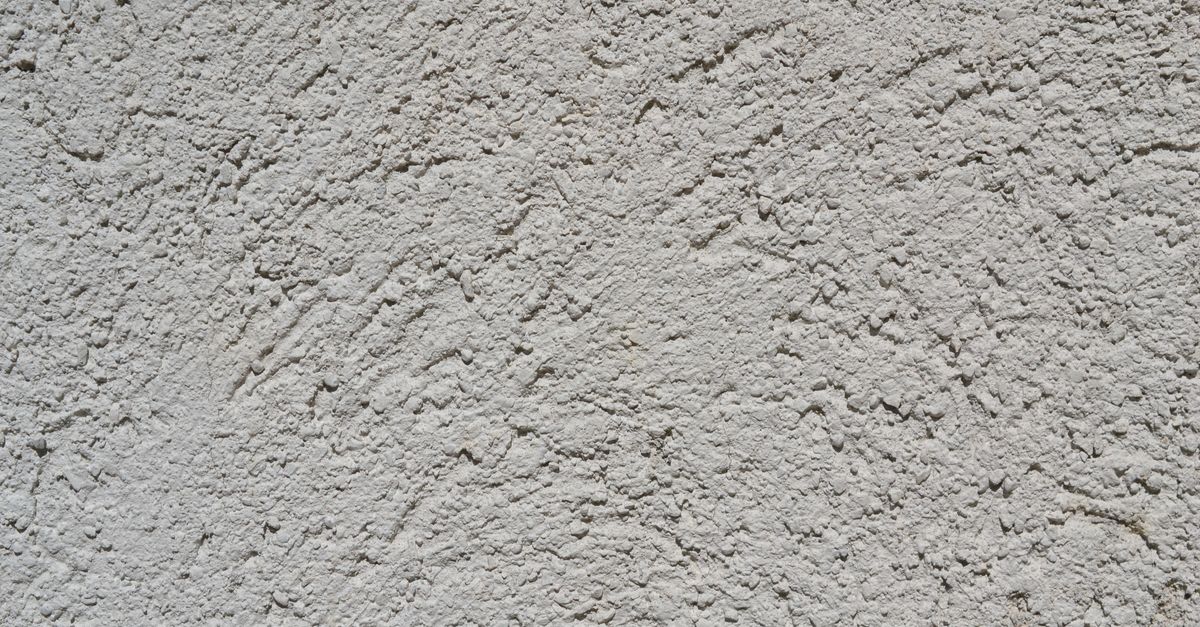
COOLWALL is applied to an eligible stucco home by inspecting the exterior walls, preparing the surface, and then installing the approved TEX-COTE® COOLWALL® wall coating system. Preparation can include cleaning, removing loose coatings, repairing suitable stucco damage, treating mildew where needed, sealing, and compatible priming. The exact work depends on what the inspection finds. It is not a matter of coating over cracks or failing paint.
Tri-County Painters is an Authorized TEX-COTE Dealer serving individual single-family homeowners in Palm Beach and Broward Counties. We begin with an exterior inspection and a written scope so you know which walls are included, what preparation is planned, and which conditions need attention before coating begins. COOLWALL is for approved exterior walls, not roofs.
What COOLWALL is, and what it is not
TEX-COTE COOLWALL is a heat-reflective exterior wall coating system designed to reflect solar infrared energy in many colors. On a stucco house, it can be considered only after the wall surface and existing coatings have been evaluated for eligibility. You can read more about the wall system on our COOLWALL service page.
COOLWALL is not a stucco repair material, a fix for an active moisture problem, or a guarantee of lower electric bills. Its heat-reflective design is a product characteristic, while any effect on a particular home depends on conditions beyond the wall coating alone. It is also separate from TEX-COTE REFLECT-TEC, a system considered for eligible tile, concrete, and metal roofs after inspection. Tri-County Painters does not coat asphalt-shingle roofs.
Why stucco preparation matters
A stucco wall may look reasonably sound from the sidewalk while still having chalky old paint, loose patches, staining, or cracks that need closer attention. Textured areas can also hide differences between earlier repairs and the surrounding finish. A new coating relies on the condition of the material beneath it. If that material is unstable, the new finish cannot make it sound.
That is why we treat surface preparation as a decision-making process, not a preset list of tasks for every house. One wall may need cleaning and compatible priming. Another may need loose material removed and stucco repaired first. Recurring cracks or moisture stains may call for further evaluation before any coating recommendation is appropriate. Our stucco and masonry preparation guide explains why cleaning, repairs, sealing, and primers are matched to the surface.
How the application process works
1. Inspect the walls and confirm the project scope
The first step is to identify what is actually on the home. We look at the stucco, its existing finish, visible damage, prior repairs, access, and nearby features that will need protection. We also discuss your goals for appearance and color. An inspection is necessary to determine whether the walls are suitable for COOLWALL and what work must happen before application.
The resulting written scope should identify the surfaces to be coated and the preparation planned for them. Read it alongside any stated exclusions. If a stain, crack, or damaged area needs separate investigation or repair, that should be clear before work moves forward. For a broader look at our inspection-led workflow, see the exterior painting process.
2. Settle colors and protect adjacent areas
Color decisions come before application, not after a wall is underway. Review the proposed color and the surfaces included in the scope, such as stucco walls versus trim or other adjacent materials. If your neighborhood requires HOA or architectural approval, obtaining that approval remains the homeowner’s responsibility. Color availability and suitability should be confirmed for the selected system.
Before cleaning and coating, the work area is protected as needed. The specific protection plan depends on the house, but windows, doors, fixtures, landscaping, walkways, and other nearby surfaces should be considered. It is worth asking how access around the home will work, particularly where plants or outdoor belongings are close to a wall.
3. Clean and reassess the stucco
Cleaning removes dirt and other surface material that could interfere with preparation or the finished appearance. The method should fit the condition of the stucco. Weak areas should not be treated as though they are sound simply because the rest of the elevation is intact.
Cleaning can reveal conditions that were less obvious during the initial review, including loose old coating or damaged patches. Those findings need to be assessed before proceeding. The goal is a suitable surface for the specified coating system, not merely a wall that looks clean from a distance.
4. Remove loose coatings and address damage
Peeling or otherwise loose coating is not a reliable base for new work. Unstable material is removed as required by the condition of the wall and the written scope. Eligible stucco or masonry repairs are then completed where needed. The repair approach must account for the surrounding surface rather than treating every crack or patch as the same problem.
A distinction matters here: a surface repair prepares a sound area for coating, while a recurring crack or moisture issue may point to a problem outside ordinary coating work. Applying COOLWALL over the symptom does not resolve its cause. Ask how any significant cracking, staining, or deteriorated area will be addressed before it is covered.
5. Treat, seal, and prime where required
When mildew treatment is needed, it belongs in preparation, not under a fresh finish. Sealing and compatible priming may also be required, especially where repairs or different existing surface conditions could affect the coating foundation. The products and sequence should be selected for the approved wall system and the home’s actual conditions.
Do not assume that every stucco home needs exactly the same primer or that priming can be skipped because the old paint looks intact. The written scope should make the planned preparation understandable, including what is to be sealed or primed and why.
6. Apply the approved COOLWALL wall system
Only after the eligible stucco walls have been prepared does the COOLWALL application begin. The coating is applied to the approved exterior wall areas in accordance with the project scope and applicable manufacturer requirements. Stucco texture, repairs, access, and weather all matter when planning the work. Specific application details should come from the approved system requirements and the conditions at the home, not from a universal promise about a particular method or number of coats.
A finished coating follows the surface beneath it. If an old patch has a different texture, or a building condition continues to affect the stucco, the coating should not be expected to erase that difference or stop the underlying problem. This is another reason to resolve scope questions before application.
7. Review the finished work
At completion, review the included walls, finish, protected areas, cleanup, and any items listed in the written scope. A homeowner walkthrough is the right time to raise a question about an area that appears incomplete or differs from what was agreed. Keep the signed scope and the applicable warranty documents with your home records.
What if the stucco is cracked, peeling, or stained?
These conditions do not all mean the same thing, and they should not receive the same automatic response. Peeling paint may require removal and preparation of the exposed surface. Localized stucco damage may be eligible for repair before sealing and coating. A recurring crack, persistent stain, or suspected moisture entry may require investigation of the cause first.
When comparing proposals, ask each contractor to explain which observed conditions are included in preparation and which are not. A proposal that simply says “prep walls” gives you less to evaluate than a written scope that identifies the affected surfaces and planned work. Tri-County Painters bases its recommendation on the exterior inspection rather than assuming that COOLWALL is appropriate for every stucco wall.
COOLWALL or traditional exterior painting?
Both options begin with evaluating and preparing the wall. Traditional exterior house painting uses a selected paint system to refresh and protect appropriate exterior surfaces. COOLWALL is a TEX-COTE heat-reflective coating system for approved exterior walls. Neither choice eliminates the need to address loose coatings, unsuitable repairs, or other substrate concerns.
The better option depends on the wall’s condition, product eligibility, your goals, and the written recommendation. If your main goal is a conventional exterior refresh, an appropriate paint system may be worth discussing. If you are considering a heat-reflective wall system, ask whether COOLWALL is approved for your walls and how the proposed preparation differs. Avoid choosing either option based solely on a general performance claim.
Questions worth asking before work starts
- Which surfaces are included? Confirm that the scope identifies the stucco walls being coated and addresses adjacent trim or other materials separately.
- What happens to existing damage? Ask how loose paint, cracks, patches, stains, and any suspected moisture problems will be handled.
- What preparation is specified? Look for a clear description of cleaning, repairs, treatment, sealing, and priming where those steps are needed.
- Who approves the color? Confirm your selection and obtain any required HOA or architectural approval before application.
- What documents govern coverage? Review the actual written manufacturer warranty and the separate workmanship terms, along with the signed project scope. Do not rely on a verbal summary or assume the two cover the same things.
Manufacturer terms relate to the product under the applicable written manufacturer documentation. Workmanship terms relate to the contractor’s work as set out in the applicable project documents. Coverage, exclusions, and responsibilities must be checked in the documents for your specific job. Our warranty and workmanship guidance offers a starting point for that review.
Frequently asked questions
Can COOLWALL go directly over existing paint on stucco?
Not without evaluating the existing surface. Old paint or coating must be checked for suitability, and loose or failing material must be addressed as part of preparation. The inspection and approved system requirements determine the next steps.
Does COOLWALL fill stucco cracks?
Do not treat COOLWALL as a substitute for crack assessment or stucco repair. Damaged areas should be evaluated and repaired where appropriate before coating. Recurring or significant cracking may need separate investigation.
Will the wall coating fix a leak?
No. If staining or damage suggests active moisture entry, the source needs to be identified and addressed. Covering a stain with a new finish does not establish that the underlying problem has been corrected.
Can COOLWALL be used on my roof, too?
No. COOLWALL is for approved exterior walls. REFLECT-TEC is the separate system considered for eligible tile, concrete, and metal roofs following inspection. Asphalt-shingle roofs are excluded.
How long will the stucco application take?
There is no reliable schedule for every home. Wall condition, repair needs, access, weather, and the approved application plan affect timing. Ask for the expected sequence after the property has been inspected.
Will COOLWALL reduce my cooling bill?
COOLWALL is designed to reflect solar infrared energy on approved exterior walls, but a specific change in energy use cannot be promised for a particular house. Discuss the product’s intended use without treating an energy-saving figure as a guaranteed result.
Start with the walls, not a sales claim
For a stucco home, the application is only as well planned as the inspection and preparation behind it. Confirm wall eligibility, put necessary repairs and coating work in writing, and review the actual manufacturer warranty and workmanship terms before authorizing the project. That gives you a clearer basis for deciding whether COOLWALL or traditional painting suits your home.
If you own a single-family home in Palm Beach or Broward County, Tri-County Painters can inspect the exterior and discuss an appropriate written scope. Request a Free Exterior Inspection to get started.